- +92 321-6666865
- info@paceoverseas.com
- Monday - Saturday : 09.00 AM to 7.00 PM

Study in Japan | A Complete Guide for International Students
- Destinations
- Study in japan
This guide helps students from different countries understand everything about studying in Japan, including top universities, popular courses, and the step-by-step admission process. It explains scholarships, financial support, living costs, accommodation options, and part-time work opportunities. Students also receive information about research programs, campus facilities, student life, and safety, helping them adjust smoothly to a new environment. With this guide, international students can plan their education, explore career opportunities, and make the most of their time studying in Japan.
Reading this guide by Pace Overseas Consultant gives international students complete information about Study in Japan college options, courses, and admissions. It also explains study in Japan requirements, Study in Japan fees, scholarship programs, living expenses, work opportunities, and research pathways, helping students plan their studies and long-term career goals effectively.
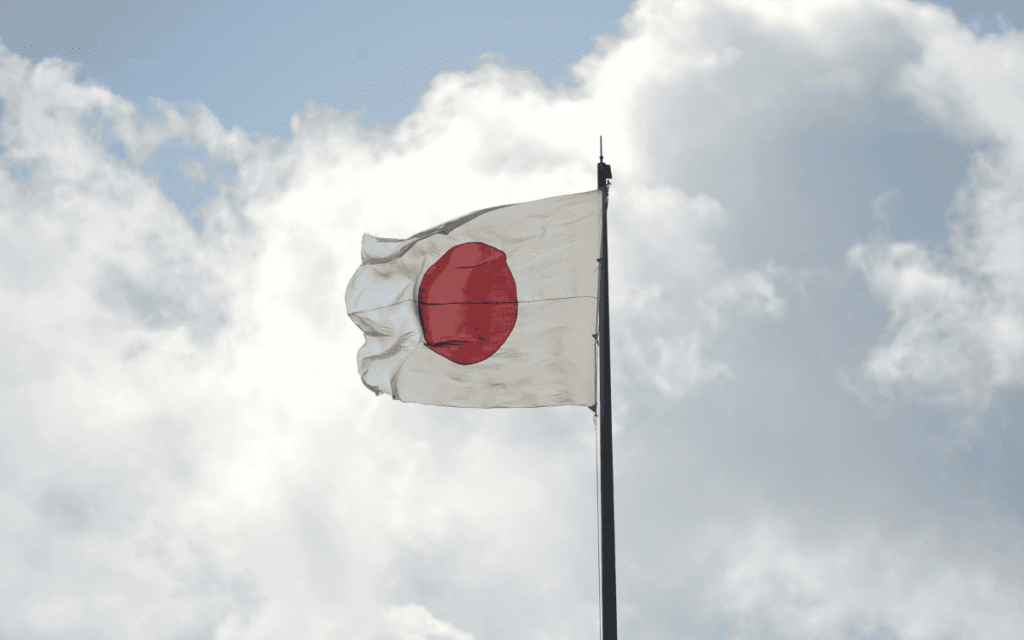
Why Study in the Japan?
Japan is recognized for its advanced technology, innovative research, and globally respected education system. It offers high academic standards, modern campuses, and strong industry connections across fields such as engineering, robotics, business, and arts. Studying in Japan allows students to gain technical expertise, international exposure, and cultural understanding. With a unique blend of tradition and innovation, Japan prepares graduates for global professional success.
Quality University Teaching
Japanese universities provide high-quality education delivered by experienced professors and supported by modern laboratories and research facilities. Students develop analytical skills, participate in academic projects, and receive guidance to enhance both academic achievement and career readiness.
Top Japan Education
Education in Japan combines theoretical foundations with practical application across disciplines including science, information technology, business, health sciences, and creative industries. Programs are structured to meet international standards, ensuring graduates possess competitive skills.
Japan Research Opportunities
Japan offers world-class research institutes, advanced laboratories, and collaboration with global industries. Students can engage in innovative research projects under expert supervision, gaining practical and analytical experience that strengthens professional development.
Short Japan Degrees
Degree programs in Japan are structured to provide comprehensive academic training. Bachelor’s programs generally take four years, while master’s programs usually require two years, depending on specialization and institution guidelines.
Study Work in Japan
International students are permitted to work part-time during their studies under student visa regulations. This allows them to manage living expenses, gain professional experience, and improve employability while maintaining academic performance.
Safe Student Life Japan
Japan offers a safe and organized environment with reliable public transportation, healthcare services, and secure campuses. Universities provide housing assistance, counseling, and orientation programs to help international students adjust comfortably.
Scholarships Support Japan
Students seeking Study in Japan Scholarship opportunities can benefit from government programs such as MEXT and university-based funding. Options for Study in Japan for free depend on eligibility and academic merit, helping reduce tuition and Study in Japan fees effectively.
Explore Asia
Studying in Japan allows students to explore Asia conveniently during academic breaks. Its location and efficient transport network make travel accessible, offering cultural experiences and international exposure beyond classroom learning.
Post study work
Japan provides international graduates opportunities to remain and work after completing their studies under specific residence statuses. Graduates can apply for work visas aligned with their field of qualification, enabling them to apply academic knowledge in professional industries. Practical exposure enhances technical expertise and workplace adaptability.Working in Japan helps graduates understand Japanese business culture, build professional networks, and strengthen long-term career prospects. Gaining work experience in Japan can also support extended residence opportunities and global employment advancement.
Post-Graduation Work Opportunities in Japan
After completing a recognized degree, graduates may transition from a student visa to an appropriate work visa category. This pathway supports entry into professional employment and facilitates the shift from academic life to industry roles.
Eligibility Criteria for Work Visa in Japan
To qualify, students must complete a degree from an accredited Japanese institution and secure employment related to their field of study. Meeting immigration and study in Japan requirements ensures eligibility for post-graduation employment.
Duration and Benefits of Work Visa
The duration of a Japanese work visa depends on the job category and employer sponsorship. This period allows graduates to gain industry experience, develop specialized skills, and build a professional career within Japan.
Apply Work Visa
Graduates must apply through the regional immigration bureau with employer sponsorship, submitting academic certificates, identification, and employment documents. Proper submission ensures legal authorization to live and work in Japan.
How to Apply for Japan
Applying for Study in Japan from Pakistan or other countries involves several organized steps. Students must first select a recognized Study in Japan college or university aligned with academic goals. Many programs offer Study in Japan in English for international applicants. After receiving admission, students prepare required documents including transcripts, language proficiency proof, financial statements, and identification. The student visa application is submitted through the Japanese embassy, and applicants should refer to the Study in Japan official website for updated guidelines. Completing each step accurately ensures legal permission to study in Japan.
Secure Your Japan Institution Offer
Students must choose an accredited institution and formally accept the admission offer. This confirmation is necessary for initiating the visa process and planning accommodation and finances.
Choose a Course and Institution
Selecting the right course and university is essential for academic and professional growth. Students should evaluate program content, research facilities, and future employment opportunities before making a final decision.
Prepare Required Documents
Applicants must gather academic transcripts, language certificates, financial proof, and identification documents. Proper preparation ensures compliance with study in Japan requirements and prevents application delays.
Get Your Certificate of Eligibility
The Certificate of Eligibility issued in Japan confirms that the student meets entry requirements and is required for the visa application. It serves as official authorization from immigration authorities.
Apply Online for Japan Student Visa
After obtaining the Certificate of Eligibility, students apply for a student visa through the Japanese embassy or consulate. The process includes submitting personal details, academic documents, and supporting paperwork.
Pay Required Fees
Applicants must pay the required visa and processing fees to complete their application. Timely payment ensures smooth approval and official authorization to study in Japan.
Admissions requirements
Japanese institutions maintain strong academic standards and emphasize research and innovation. Admission requirements vary by program but generally include academic qualifications, language proficiency in Japanese or English, and financial documentation. Many universities provide Study in Japan in English programs for international students.
Top Universities
Our mission is simple: to make your study abroad journey smooth and stress-free. We provide expert guidance to students pursuing study in Japan, helping them select suitable institutions and manage the admission process confidently.
Shorter Degree Duration
Our mission is to support students in achieving their academic and career objectives through structured programs and professional counseling. With clear planning and guidance, students can complete their degrees successfully and prepare for global opportunities.
F. A. Q
Frequently Asked Questions
The Pace Overseas Consultant FAQs cover all the important aspects of studying in Japan. They include headings like “Why students choose Japan”, “Benefits of studying in Japan”, “Reasons to select Japan for studies”, “Japan study interview tips”, “Personal reasons for choosing Japan”, and “Interesting facts about Japan”. These FAQs help students get easy-to-understand answers about universities, courses, student visas, scholarships, work opportunities, and student life in Japan.
Japan offers high-quality education, advanced technology programs, and internationally recognized degrees in a safe and culturally rich environment.
Yes, Japan is one of the safest countries in the world, with secure campuses, excellent healthcare, and strong student support services.
Yes, international students can work part-time up to 28 hours per week during studies and full-time during long holidays, following Japanese student visa regulations.
Students need academic transcripts, English or Japanese language proficiency (depending on the program), a valid passport, and an official admission letter from a recognized Japanese university.
Yes, many universities and government programs like MEXT scholarships provide financial aid and merit-based support for international students.
After receiving an admission offer, students apply for a student visa at the Japanese embassy or consulate in their home country, providing all required documents including the Certificate of Eligibility (COE).